

#1
Inspections & Appraisals
Important Tips to Keep in Mind During the Process.
The Process
Initial Agreement and Deposit
A real estate agreement is a legal commitment between buyer and seller, and getting it right matters. A few things we always keep top of mind:
- Everything gets documented. Verbal agreements, counter-offers, addendums — all of it. We draft the paperwork and make sure every party has a copy, so there's never a question about what was agreed to.
- Timelines matter. Every stage of closing runs on a schedule, and we keep both sides accountable to it from start to finish.
The Closing Agent
Once the contract is signed and your deposit is down, a title company or attorney steps in as the closing agent. This neutral third party holds and distributes all funds tied to the transaction and confirms the title is clear of any encumbrances before closing day. No contingency gets waived and no closing happens until every condition in the Purchase Agreement has been satisfied. We make sure of it.
How to Hold Title
How you hold title affects everything from taxes to financing to how ownership transfers down the road. This isn't a decision to make lightly, and it's not one we make for you. We'll connect you with trusted local attorneys and tax advisors who can walk you through the pros and cons so you land on the option that actually fits your investment goals.
As part of your Purchase Agreement contingencies, a licensed property inspector will walk the home within the agreed-upon timeframe to flag any issues before they become your problem. For specialized concerns — roofing, plumbing, foundation — we recommend bringing in a specialist. Commercial properties often require an environmental audit or soil test to satisfy the lender. If an inspection turns up something not already accounted for in the agreement, that's your opening to renegotiate terms before moving forward. Once you're satisfied, contingencies come off and the deal moves ahead.
Appraisals and Lending
Stay close to your lender throughout this process — new documentation requests can come fast. If financing is part of your Purchase Agreement, a licensed third-party appraiser will confirm your investment matches the property's actual value, weighing everything from square footage to operating income to building costs. Two weeks out from closing, check in with your lender directly to confirm your loan is on track. No surprises at the finish line.
Association Approval
Some properties require sign-off from an association before the sale can close. If that applies to you, request every rule, regulation, and required document from the seller up front, and build the approval timeline into your Purchase Agreement. Once approved, we make sure the original approval letter reaches your closing agent so it gets properly recorded with the deed at closing.
Property Insurance
Basic property insurance covers you against fire, theft, and certain weather damage. Most states don't require it, but nearly every mortgage lender does. If you're moving in, you'll need homeowners insurance. If this is a rental investment, landlord insurance is the right call. Either way, protecting the property from day one protects the investment you've worked to make.
Ready to get started? Call us at 210.560.4576 or complete this short form and one of our agents will be in touch.
Get In Touch
Tips For Buying The Perfect Home

Don’t Max Out Your Budget
Getting approved for the max doesn't mean you should spend it. Leave room for closing costs, taxes, and the repairs or updates every property eventually needs.

Get To Know The Area
Make sure the neighborhood actually works for your life, schools, commute, shopping, the whole picture.

Don’t Skip The Inspection
An inspection is worth every dollar. It surfaces problems you'd never catch on your own and gives you the full picture before you commit.

Get Pre-Approved
Pre-approval tells the seller you're serious, not just browsing. It's your edge in a competitive market.

Make a List of Deal Breakers
Know what you can live with and what you cannot live without and also those things that can be taken care of with a simple remodel. If you need a 4 bedroom home, don't buy one with 2 that requires a massive addition which can break your budget.

Look At The Age Of Appliances & Other Systems
Some of the most expensive features of a home are Appliances, HVAC, Hot Water Heater, Septic/Well, and Roof. You should pay attention to their age and whether they have required service. You may even be able to get the seller to add a home warranty.

Check For HOA Requirements
Most neighborhoods have HOAs that govern what you can and can't do - be sure you know what the rules are for your neighborhood, and the fees associated with having an HOA. They are usually listed as annual fees.
One Partner For All Your Real Estate Needs


What Price Range Can I Afford?
Resources For San Antonio Home Buyers
The journey to homeownership starts by understanding how much you can afford. One major thing to consider is your down payment, if any. Many consumers believe it's impossible to buy a home without at least 20 percent down. But thanks to various government-sponsored programs, many people can now buy a house with as little as 3.5 percent toward a down payment. Veterans of the U.S. military have zero-down programs available.
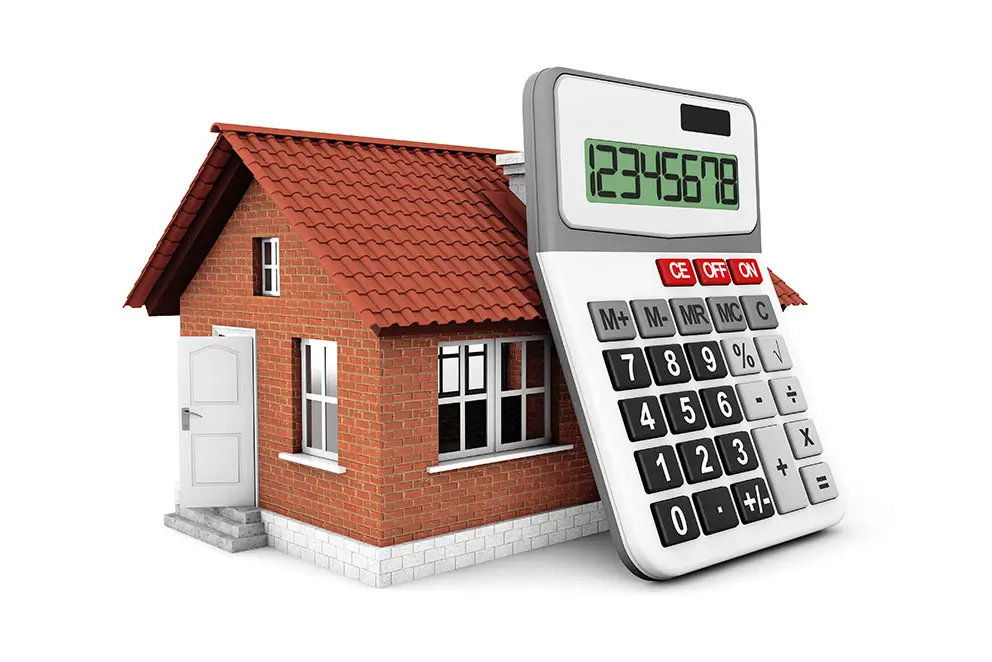
Finding a knowledgable Mortgage Loan Officer is key to recieving the most up-to-date information on available lending options. Feel free to check out or vetted list of preffered lenders below - or, if you just want to run some quick rough numbers, check out our free mortgage calculator.
San Antonio Real Estate
Areas We Serve
- San Antonio
- Boerne
- Schertz
- Alamo Heights
- Stone Oak
- Bulverde
- Spring Branch
- Cibolo
- Hollywood Park
- Olmos Park